Wood Puzzle: A Strategic Tool for Clear Communication and Purposeful Design
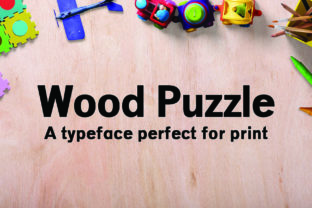
Wood Puzzle is more than just a font—it’s a design choice that carries weight in how we communicate, plan, and execute. In an era where visual clarity and intentional messaging are paramount, the right typography can make all the difference. Wood Puzzle stands out as a simple yet powerful serif font with exceptional legibility, making it an ideal choice for those who value both aesthetics and functionality.
The Strategic Value of Wood Puzzle
At its core, Wood Puzzle is designed to be readable, elegant, and approachable. Its clean lines and balanced proportions make it suitable for a wide range of applications, from branding materials to instructional content. But beyond its visual appeal, Wood Puzzle offers strategic advantages that align with modern decision-making processes.
One of the most significant benefits of Wood Puzzle is its ability to convey professionalism without sacrificing warmth. This makes it particularly useful in contexts where trust and credibility are essential—such as in marketing materials, educational resources, or professional documentation. The font’s friendly tone helps bridge the gap between formal and casual communication, allowing creators to maintain a consistent voice across different platforms.
Strategically, Wood Puzzle supports clarity in messaging. When used consistently, it reinforces brand identity by creating a recognizable visual language. This consistency is crucial for long-term results, as it builds familiarity and trust with audiences over time.
How Wood Puzzle Supports Planning and Execution
Planning is about making decisions that lead to specific outcomes. Wood Puzzle plays a role in this process by helping to shape the narrative of your plans. Whether you're outlining a project timeline, crafting a marketing strategy, or designing a user experience, the right font can influence how your message is received.
Consider the use of Wood Puzzle in planning documents or presentations. Its readability ensures that complex information is presented in an accessible format. This is especially valuable when working with teams or stakeholders who may need to digest large amounts of data quickly. By choosing a font that prioritizes clarity, you’re not just making content easier to read—you’re also improving the overall effectiveness of your communication.
Wood Puzzle also supports creativity and innovation. When designing a new product or service, the visual elements you choose can inspire confidence and engagement. A font that feels intentional and well-crafted can enhance the perceived value of your offering, making it more appealing to potential customers or partners.
Use Cases and Practical Applications
The versatility of Wood Puzzle means it can be applied in various strategic scenarios. Here are some practical examples of how it can support your goals:
- Branding Materials: Use Wood Puzzle in logos, websites, and promotional materials to create a cohesive and trustworthy brand image.
- Instructional Content: Incorporate Wood Puzzle into guides, tutorials, and learning materials to improve readability and comprehension.
- Marketing Campaigns: Leverage Wood Puzzle in email templates, social media posts, and advertising to maintain a consistent visual tone.
- Professional Documentation: Apply Wood Puzzle to reports, proposals, and presentations to ensure clarity and professionalism.
- User Experience Design: Integrate Wood Puzzle into digital interfaces to enhance usability and accessibility.
Each of these use cases highlights how Wood Puzzle can be strategically deployed to achieve specific outcomes. However, it’s important to consider the context in which you’re using the font. While it’s highly versatile, Wood Puzzle may not be the best choice for every situation. For example, in high-impact headlines or areas requiring strong visual contrast, a bolder or more stylized font might be more appropriate.
When to Use Wood Puzzle and What to Consider
Before relying on Wood Puzzle, it’s essential to evaluate whether it aligns with your objectives. Ask yourself: Does this font support the message I want to convey? Is it appropriate for the audience I’m targeting? Will it help me achieve my desired outcome?
Wood Puzzle is particularly effective in environments where clear communication is key. It works well in settings that require a balance between professionalism and approachability. If your goal is to build trust, foster collaboration, or simplify complex ideas, Wood Puzzle can be a valuable asset.
However, there are situations where Wood Puzzle may fall short. For instance, if your content requires a more dynamic or attention-grabbing visual style, a different font may be more suitable. Additionally, Wood Puzzle may not be the best choice for small text sizes or low-resolution displays, where legibility can be compromised.
It’s also important to consider the broader design ecosystem in which Wood Puzzle will be used. A font should complement other design elements rather than compete with them. Ensure that the color, spacing, and layout of your content work harmoniously with the font to create a seamless user experience.
Intentional Use for Long-Term Results
Using Wood Puzzle intentionally means recognizing its strengths and limitations, and applying it where it adds the most value. This approach ensures that your design choices contribute to long-term success rather than detract from it.
For example, when developing a brand identity, consider how Wood Puzzle can reinforce your company’s values and mission. If your business emphasizes reliability and clarity, then Wood Puzzle can serve as a visual metaphor for those qualities. Conversely, if your brand is more playful or innovative, you may want to explore fonts that better reflect that tone.
Similarly, when creating content for a specific audience, think about how Wood Puzzle can help you connect with them. A font that feels familiar and easy to read can reduce cognitive load, allowing readers to focus on the message rather than the medium.
By approaching Wood Puzzle with intention, you’re not just choosing a font—you’re making a strategic decision that supports your goals and enhances your overall impact.
Risks of Using Wood Puzzle Without Context
While Wood Puzzle is a versatile and well-designed font, it’s not a one-size-fits-all solution. Using it without considering the broader context can lead to suboptimal results. One common risk is over-reliance on the font without evaluating whether it truly serves the purpose at hand.
For instance, using Wood Puzzle in a high-stakes presentation may not convey the urgency or authority required for the situation. Similarly, applying it to a website with limited screen space could compromise readability and user experience.
Another risk is failing to integrate Wood Puzzle into a larger design strategy. A font alone cannot define a brand or deliver meaningful results. It must be part of a cohesive visual and strategic framework that aligns with your goals and resonates with your audience.
To avoid these risks, always ask yourself: How does Wood Puzzle fit into my overall strategy? Does it support the message I want to communicate? Am I using it in a way that adds value rather than distraction?
Conclusion
Wood Puzzle is more than just a font—it’s a strategic tool that can enhance communication, support planning, and drive better outcomes. By understanding its strengths and limitations, you can use it intentionally to achieve your goals and create meaningful impact.
Whether you’re building a brand, designing content, or planning a campaign, the thoughtful application of Wood Puzzle can help you make better decisions and achieve better results. Remember, the key to success lies not in the font itself, but in how you choose to use it.