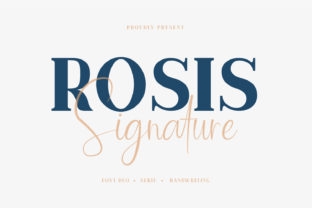
Rosis Ballroom: A Strategic Font Duo for Creative and Professional Expression
Rosis Ballroom is more than just a pair of fonts—it’s a strategic tool for those who seek to communicate with clarity, creativity, and impact. This duo brings together a refined serif font and a dynamic script font, creating a versatile typographic solution that can elevate branding, content design, and visual storytelling. Whether you're crafting a website, designing marketing materials, or building a brand identity, understanding how to use Rosis Ballroom intentionally can make a significant difference in your outcomes.
The Strategic Value of Rosis Ballroom
At its core, Rosis Ballroom is designed to serve as a dual-purpose font system. The serif component offers a classic, trustworthy feel, ideal for headings, titles, and any text that needs to convey professionalism and reliability. Meanwhile, the script font adds a touch of elegance and flair, perfect for adding personality and visual interest without sacrificing readability.
This combination is particularly useful for professionals who need to balance formality with creativity. For instance, a small business owner might use the serif font for their logo and the script font for promotional banners or social media graphics. The result is a cohesive yet dynamic visual identity that speaks to both credibility and style.
How Rosis Ballroom Supports Strategic Goals
Using Rosis Ballroom strategically can support a wide range of goals, from improving brand recognition to enhancing user engagement. When selecting fonts for a project, it's important to consider not just aesthetics but also how they align with your overall objectives.
For example, if your goal is to build trust with your audience, the serif font in Rosis Ballroom can help establish authority and professionalism. On the other hand, if you're aiming to create a more approachable or artistic brand, the script font can add warmth and personality. By combining these two elements thoughtfully, you can craft a visual language that resonates with your target audience.
Additionally, Rosis Ballroom can play a role in improving communication efficiency. Clear and well-designed typography can reduce cognitive load, making information easier to process. This is especially important for content creators, educators, and professionals who rely on effective communication to drive results.
When and How to Use Rosis Ballroom
Deciding when to use Rosis Ballroom depends on your specific needs and the context of your project. Here are some practical scenarios where this font duo can be particularly beneficial:
- Branding Projects: Use the serif font for logos, headers, and key messaging to convey professionalism, while the script font can be used for taglines, call-to-action buttons, or decorative elements.
- Marketing Materials: Incorporate the script font into headlines or quotes to draw attention and create visual hierarchy, while using the serif font for body text to ensure readability.
- Website Design: Pair the serif font with the script font to differentiate between primary navigation and secondary content, helping users navigate more intuitively.
- Social Media Content: Use the script font for eye-catching captions or overlays, while the serif font provides a stable foundation for consistent branding across platforms.
When approaching Rosis Ballroom, it's essential to consider the purpose and audience of your design. Always test the fonts in different contexts to ensure they work well together and meet your goals. Avoid overusing the script font in large blocks of text, as it can become difficult to read. Instead, use it sparingly to highlight key messages or create visual contrast.
Strategic Observations for Effective Use
One of the most important considerations when using Rosis Ballroom is ensuring that the fonts complement each other rather than compete. The serif font should provide structure and stability, while the script font adds movement and character. This balance is crucial for maintaining visual harmony and avoiding clutter.
Another key observation is the importance of consistency. While Rosis Ballroom offers flexibility, it's important to maintain a cohesive design throughout your project. This means using the same font pairing across all materials, from print to digital, to reinforce brand identity and improve recognition.
Additionally, consider the emotional tone you want to convey. The script font can evoke feelings of sophistication, creativity, and individuality, while the serif font often conveys trust, authority, and tradition. By understanding how these emotions align with your brand values, you can make more informed design decisions.
Practical Examples and Planning Tips
To illustrate how Rosis Ballroom can be applied in real-world scenarios, let's look at a few examples:
Example 1: Branding for a Luxury Fashion Label
A luxury fashion brand might use the serif font for their logo and product descriptions to convey exclusivity and craftsmanship. Meanwhile, the script font could be used for seasonal campaigns or limited edition collections to add a sense of urgency and uniqueness.
Example 2: Educational Content Creation
An educator or content creator might use the serif font for lesson outlines or course materials to ensure clarity and professionalism. The script font could be used for engaging titles or interactive elements to keep learners interested and motivated.
Example 3: Small Business Website Redesign
A local business owner looking to revamp their website might use the serif font for the homepage header and key sections to establish credibility. The script font could be used for testimonials, customer quotes, or special promotions to create a more personable and inviting atmosphere.
When planning to use Rosis Ballroom, it's also helpful to think about scalability and adaptability. Ensure that the fonts look good at different sizes and on various devices. Test them in both light and dark modes to confirm they remain legible and visually appealing in all contexts.
Understanding the Risks of Misuse
While Rosis Ballroom offers many benefits, there are potential risks associated with its misuse. One common pitfall is relying on the fonts without a clear purpose or strategy. Using the script font excessively or in inappropriate contexts can lead to confusion, reduced readability, and a weakened brand image.
Another risk is failing to consider the target audience. If your audience prefers a more formal or minimalist design, the script font may not be the best choice. Always align your font selection with the expectations and preferences of your audience to ensure your message is received effectively.
Additionally, not testing the fonts in real-world applications can lead to unexpected issues. Always preview your designs on different screens and in various environments to ensure they perform as intended.
Conclusion: Making Intentional Choices with Rosis Ballroom
Rosis Ballroom is a powerful tool for those who want to communicate more effectively and create more meaningful connections with their audience. By using this font duo strategically, you can enhance your branding, improve user experience, and achieve better outcomes in your professional and creative endeavors.
However, the key to success lies in intentionality. Rather than using Rosis Ballroom randomly or for aesthetic reasons alone, focus on how it supports your goals, strengthens your message, and aligns with your brand identity. With thoughtful planning and execution, Rosis Ballroom can become an essential part of your design toolkit.