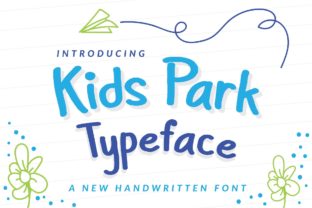
Kids Park: A Fun and Versatile Font for Kids-Themed Designs
Kids Park is more than just a font—it’s a creative tool that brings a playful, energetic vibe to any design. Whether you're crafting a children's book, designing a website for a toy store, or creating promotional materials for a family-friendly event, this font can help you stand out. Its bold, rounded shapes and whimsical style make it ideal for projects that require a fun and approachable aesthetic.
What Makes Kids Park Unique?
Kids Park is designed with simplicity and readability in mind. The font features clean lines and a friendly, approachable look that appeals to both children and adults. It's not just about looking cute—it's about making content feel welcoming and engaging. This makes it particularly useful for educational materials, storybooks, and branding for kid-centric businesses.
One of the standout features of Kids Park is its versatility. It works well in both digital and print formats, which means you can use it across a wide range of platforms. From social media posts to posters, flyers, and even packaging, this font adapts seamlessly to different needs without losing its charm.
Where Does Kids Park Fit Into a Design Workflow?
The integration of Kids Park into a design workflow depends on the project’s goals and audience. For instance, if you're working on a children’s learning app, using Kids Park can enhance user engagement by aligning the visual style with the target demographic. Similarly, if you're creating marketing materials for a toy company, this font can help reinforce the brand’s playful identity.
When planning a design project, consider where Kids Park can add value. Is it the final touch that brings a design to life? Or is it a foundational element that sets the tone for the entire piece? Understanding how the font interacts with other design elements—like color schemes, imagery, and layout—can help you decide when and how to use it effectively.
Practical Use Cases for Kids Park
Kids Park shines in scenarios where a lighthearted, child-friendly aesthetic is needed. Here are a few examples:
- Children's Books: The font adds a sense of playfulness to storylines, helping readers connect with characters and narratives.
- Toy Branding: It can be used in logos, packaging, and promotional content to create a cohesive and recognizable brand image.
- Learning Materials: For educational tools like flashcards or interactive games, Kids Park can make learning more enjoyable for kids.
- Event Invitations: Whether it's a birthday party or a school fair, this font helps set the right tone for the occasion.
- Social Media Content: Using Kids Park in captions, headers, or graphics can make your posts more visually appealing and engaging.
Each of these use cases demonstrates how Kids Park can be tailored to fit different stages of a project. It’s not just about aesthetics—it’s about enhancing the overall experience and making the content more relatable to the intended audience.
How to Integrate Kids Park Into Your Workflow
Integrating Kids Park into your design process starts with understanding its strengths and limitations. Begin by identifying the specific tasks where the font would add the most value. For example, if you’re working on a website for a children’s toy store, you might want to use Kids Park for headings and key calls-to-action to draw attention and create a welcoming atmosphere.
Once you’ve determined where to apply the font, consider how it will interact with other design elements. Will it complement the color palette? Does it maintain readability at different sizes? These questions help ensure that the font enhances rather than detracts from the overall design.
It’s also important to think about consistency. If you’re using Kids Park in multiple projects, maintaining a consistent application helps reinforce brand identity and ensures a cohesive look across all materials.
Compatibility and Usability
Kids Park is compatible with most design software and platforms, including Adobe Illustrator, Photoshop, Canva, and even basic text editors. This makes it accessible to designers of all skill levels, from beginners to professionals.
Usability is another key factor. The font is easy to read, even at smaller sizes, which is crucial for digital content. However, it’s always a good idea to test the font in different contexts to ensure it maintains its clarity and appeal.
For those who prefer a more technical approach, Kids Park is also available in various formats, such as SVG and OTF, which can be easily integrated into web and print projects. This flexibility allows for seamless use across different mediums and platforms.
Workflow Examples and Tips
Let’s explore a few real-world examples of how Kids Park can be incorporated into a design workflow:
Example 1: Creating a Children’s Book
- Start by outlining the story and identifying key visual elements.
- Select a color scheme that complements the font’s playful nature.
- Use Kids Park for chapter titles, character names, and key dialogue to enhance readability and engagement.
- Ensure the font remains legible in both full-color and black-and-white versions.
- Review the design for consistency and adjust as needed.
Example 2: Designing a Toy Store Website
- Begin by defining the brand’s visual identity and target audience.
- Incorporate Kids Park into the header, navigation menus, and product descriptions.
- Pair the font with bright, eye-catching colors to create an inviting online presence.
- Test the font on different devices to ensure it displays correctly across all platforms.
- Monitor user feedback to refine the design further.
These examples highlight how Kids Park can be used at different stages of a project, from initial concept to final execution. By understanding its role within the broader design process, you can maximize its impact and ensure it contributes meaningfully to the final outcome.
Long-Term Use and Quality Control
For long-term use, it’s essential to maintain quality control and ensure the font continues to meet your design needs. Regularly review how Kids Park performs in new projects and compare it to other fonts in your toolkit. This helps identify any potential issues and ensures the font remains a valuable asset over time.
Additionally, staying updated with any changes or improvements to the font can help you leverage its full potential. Whether it’s a new version with enhanced features or better compatibility, keeping up with updates ensures you’re always using the best possible tool for your work.
Ultimately, Kids Park is more than just a font—it’s a versatile design tool that can enhance creativity, engagement, and usability. By integrating it thoughtfully into your workflow, you can create designs that resonate with your audience while maintaining a high standard of quality and consistency.